Key Takeaways
- Berries are rich in naturally occurring plant compounds: Many varieties contain antioxidants, fiber, vitamins, and phytonutrients.
- Different berries offer different nutrient profiles: Blueberries, strawberries, raspberries, and blackberries each provide unique combinations of nutrients.
- Fiber is one of the major nutritional benefits: Berries can help contribute to overall daily fiber intake.
- Berries are a versatile addition to meals and snacks: They’re commonly used in smoothies, yogurt, oatmeal, salads, and desserts.
- Fresh and frozen berries can both fit into healthy eating patterns: Nutrient content is often retained across different forms and preparations.
It’s berry season! This time of year, strawberries, raspberries, blueberries, and blackberries (and more) are ripe and ready for picking. Berries truly are “nature’s candy,” as they’re naturally sweet and delicious. But unlike candy, these plump, juicy fruits offer a bevy of health benefits thanks to their remarkable nutrient content. Did you know that berries can aid in heart health, promote blood sugar control, support gut health, and help us to maintain a healthy weight?
Berries are also widely available and convenient. They can be purchased fresh, frozen, canned, or dried –making them easy to add to your diet, not only during summer but any time of year. With now being a great time to enjoy them fresh from the vine, let’s review all the ways berries are good for us, along with the best ways to pick and store them for the greatest nutrition benefits, flavor, and lifespan.
The Nutrition & Health Benefits of Berries
Berries offer many beneficial nutrients, but the two most noteworthy are dietary fiber and antioxidants. Both are associated with potential health benefits for heart health, blood sugar and insulin response, gut health, and brain health.
Fiber
Fiber is a non-digestible carbohydrate found in plant foods, such as berries, known to contribute to overall metabolic health.
Fiber may help reduce cholesterol, specifically LDL (“bad”) cholesterol, which reduces overall risk for heart disease. Fiber has also been linked to improvement in insulin response and metabolic syndrome, making high-fiber foods a nutritious choice for people with diabetes. Evidence shows that fiber has a positive role in metabolic health by way of altering the gut microbiome.
Daily fiber intake recommendations include 25 grams per day for women and 38 grams per day for men. Unfortunately, fiber continues to be a nutrient that is widely underconsumed by Americans. Adding berries to your diet routinely is an easy way to increase fiber intake and reap the wide variety of associated health benefits.
Fiber content in berries (per one-cup serving):
- Raspberries – 8 grams of fiber
- Blackberries – 8 grams of fiber
- Blueberries – 4 grams of fiber
- Strawberries (sliced) – 3 grams of fiber
Antioxidants
Antioxidants are beneficial compounds made by the body and also obtained through food. They help defend our cells against damage from harmful molecules called free radicals, which can cause oxidative stress. Oxidative stress increases risk for chronic disease.
Berries are a source of anthocyanins, a type of antioxidant that gives berries their vibrant red, blue, and purple colors. The benefits of berries associated with reduced risk for chronic diseases are often attributed to their anthocyanin content. The antioxidants in berries are believed to have strong neuroprotective and anti-inflammatory effects. Chronic inflammation is linked to conditions like diabetes, heart disease, and neurodegenerative diseases such as Alzheimer’s and Parkinson’s disease.
The Benefits of Berries for Weight Management
Berries are a nutrient-dense food that may help you maintain a healthy weight or promote weight loss when eaten regularly. They are a low-calorie food (all varieties provide less than 100 calories per serving) that can increase satiety due to their fiber content. This may lead to overall decreased caloric intake throughout the day when including a variety of berries in your diet on a routine basis.
Note: You’ll want to choose fresh berries whenever possible to get the most fiber. When choosing canned, frozen, or dried/freeze-dried berries, look for options labeled ‘no added sugar’ or check the Nutrition Facts Label for added sugars.
How to Choose and Store Berries
Berries are highly perishable. To extend the life of your berries and reduce risk for foodborne illness, it’s best to keep them in the refrigerator. Also, wait to wash berries until you’re ready to eat them.
For storage, avoid using airtight containers as they actually accelerate mold on berries. Instead, keep them in their original clamshell containers, or transfer them to a vented container, a loosely covered bowl, or a produce keeper.
Produce-keeper containers are specially designed to provide an optimal environment for fruit and vegetables to keep them fresh as long as possible. Because berries are easily bruised, produce containers, rather than produce bags, are recommended. The ideal arrangement is to use a shallow container with a paper towel on the bottom and berries positioned on top in a single layer.
To ensure you are getting the most flavorful berries, keep these tips in mind:
Blackberries
Choose fresh blackberries that are shiny, not bruised, and with no leaking. Blackberries can be stored in the refrigerator for 3 to 6 days.
Blueberries
Look for fresh blueberries that are firm, plump, and dry with a dusty blue color. Refrigerate blueberries for 10 to 14 days.
Raspberries
Select fresh raspberries that are dry, plump, and firm. Avoid any wet or moldy berries. Refrigerate for use within 1 to 2 days.
Strawberries
Pick fresh strawberries that are shiny, firm, and have a bright red color. Caps should be green and intact. Avoid shriveled, mushy, or leaky berries. Store strawberries in the refrigerator for 1 to 3 days.
Easy Ways to Eat More Berries
Berries are versatile and can be incorporated into your diet in a variety of ways. They add nutrients, texture, and color to meals, which makes them really enjoyable to eat! To increase berry intake, consider these fun ideas:
- Oatmeal: Add strawberries for sweetness or blackberries for tartness.
- Yogurt: Top the yogurt of your choice with berries, or make a yogurt parfait with layers of yogurt, berries, and nuts or seeds.
- Pancakes or waffles: Top with nut butter or ricotta cheese and assorted berries.
- Cereal: Create your own “sweetened” cereal with a handful of fresh berries.
- Toast: Top with nut butter or ricotta cheese, goat cheese, cottage cheese, or whipped cream cheese, sprinkle on berries, and drizzle with honey.
- Salads: Berries pair well with dark, leafy greens and goat or feta cheese.
More Creative Uses for Berries
- Smoothies: Berries provide nutrients, natural sweetness, and fun color. Simply add berries to your blender with Greek yogurt or milk of choice, ice, and veggies like dark, leafy greens. This will further increase nutrient content.
- Muffins or baked oatmeal: Use fresh, frozen, or freeze-dried berries in baked goods.
- Trail Mix: Add dried or freeze-dried berries.
- Granola: Make your own granola.
- Ice cubes: Puree and freeze berries in ice cube trays and use the cubes to flavor water. You can also use the mixture to make ice pops!
- Cereal or snack bars: Try grain-based bars with berries.
- Jam or jelly: Use fresh berries to make your own jam or jelly.
References:
- Barber, T. M., Kabisch, S., Pfeiffer, A. F. H., & Weickert, M. O. (2020). The health benefits of dietary fibre. Nutrients, 12(10), Article 3209.
Cited by: 1103 - Fruit & Veggies for Better Health. (2021). Blackberries: Nutrition, storage, and handling. Produce for Better Health Foundation.
- Fruit & Veggies for Better Health. (2021). Raspberries: Nutrition, storage, and handling. Produce for Better Health Foundation.
- Fruit & Veggies for Better Health. (2021). Strawberries: Nutrition, storage, and handling. Produce for Better Health Foundation.
- Gonçalves, A. C., Nunes, A. R., Falcão, A., Alves, G., & Silva, L. R. (2021). Dietary effects of anthocyanins in human health: A comprehensive review. Pharmaceuticals, 14(7), Article 690.
- Joseph, S. V., Edirisinghe, I., & Burton-Freeman, B. M. (2014). Berries: Anti-inflammatory effects in humans. Journal of Agricultural and Food Chemistry, 62(18), 3886–3903.
- Lee, K. H., Cha, M., & Lee, B. H. (2020). Neuroprotective effect of antioxidants in the brain. International Journal of Molecular Sciences, 21(19), Article 7152.
- Olas, B. (2018). Berry phenolic antioxidants – Implications for human health? Frontiers in Pharmacology, 9, Article 78.
- Sharifi-Rad, M., Anil Kumar, N. V., Zucca, P., Varoni, E. M., Dini, L., Panzarini, E., Rajkovic, J., Tsouh Fokou, P. V., Azzini, E., Peluso, I., Prakash Mishra, A.,错 Nigam, M., El Rayess, Y., Beyrouthy, M. E., Polito, L., Iriti, M., Martins, N., Martorell, M., Docea, A. O., ... & Sharifi-Rad, J. (2020). Lifestyle, oxidative stress, and antioxidants: Back and forth in the pathophysiology of chronic diseases. Frontiers in Physiology, 11,
- U.S. Department of Agriculture & U.S. Department of Health and Human Services. (2020). Dietary guidelines for Americans, 2020-2025 (9th ed.). Dietary Guidelines Advisory Committee.
- Xiao, D., Zhu, L., Edirisinghe, I., Fareed, J., Brailovsky, Y., & Burton-Freeman, B. (2019). Attenuation of postmeal metabolic indices with red raspberries in individuals at risk for diabetes: A randomized controlled trial. Obesity, 27(4), 542–550.
DISCLAIMER:
These statements have not been approved by the Food and Drug Administration. These products are not intended to diagnose, treat, cure or prevent disease.


























































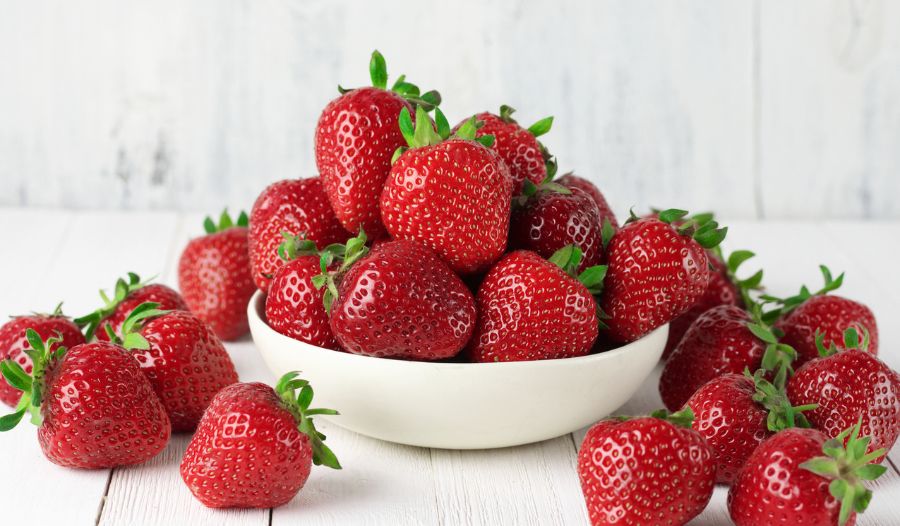
 Table of Contents