Key Takeaways
- Good health starts with a balanced diet, regular physical activity, and healthy lifestyle habits.
- Targeted supplementation may provide additional support for immune function, metabolic health, sleep quality, and cellular energy production.
- NAC and glutathione help support the body’s natural antioxidant defenses and detoxification processes.
- Quercetin and curcumin support a healthy inflammatory response and help maintain cellular resilience during times of biological stress.
- Melatonin and vitamin B12 help support healthy circadian rhythms, sleep quality, and energy levels.
- Berberine supports healthy blood sugar metabolism and normal metabolic function.
- CoQ10 and PQQ support mitochondrial function and cellular energy production—important factors in maintaining cognitive performance and overall vitality as we age.
Start With The Basics
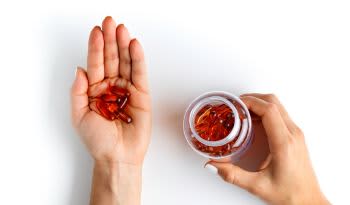
Good health starts with a healthy lifestyle, diet, and mindset, along with a foundational supplement program of a multivitamin-mineral formula, extra vitamin C and D3, and high-quality fish oil. But when seeking optimal health, we often must go beyond the basics.
Targeted supplements such as glutathione, quercetin, melatonin, curcumin, berberine, and CoQ10 can really make a difference in improving health. In this article, you will find an overview of these supplements and why they may be important to consider adding to your regimen.
NAC: Healthy Aging
The important role that glutathione plays in human health cannot be overstated. This small protein is made in our body and is also available as a dietary supplement to further boost glutathione levels. The amino acid N-acetylcysteine is also a dietary supplement that helps to increase glutathione levels. Adequate glutathione stores are critical in supporting the immune system, respiratory health, and calming an overactive inflammatory response.1 In addition, it has long been known that low levels of glutathione lead to an acceleration of the aging process and are associated with changes in normal physiological function with aging.2,3
Both glutathione and NAC supplements have shown clinical benefits and can be used somewhat interchangeably to boost natural glutathione levels. The typical dosage for glutathione is 250 to 1,000 mg per day. The dosage for NAC is 500 to 1,200 mg per day.
Quercetin: Immune Health
Quercetin offers many health benefits, including supporting immune function and respiratory tract health. One way quercetin supports immune health is by increasing intracellular ionic zinc levels.4 When zinc is in this state within cells, it is able to support the body’s natural cellular defense mechanisms.
But that is not all that quercetin does to protect cells. It has been shown to literally activate a cellular “on switch” that promotes cellular repair while simultaneously turning on an “off switch” that helps cells protect against damage.5 This effect is different than its ability to act as an antioxidant as well as enhancing the system of antioxidant enzymes that support the body during times of biological stress (immune activation, inflammation, and allergies).
Quercetin has shown clinical benefits, including supporting respiratory and immune health.6 The challenge with quercetin has been its poor absorption. An innovative solution to improve quercetin absorption by up to 10 times is to complex it within a LipoMicel Matrix™. The dosage for the Natural Factors’ Quercetin LipoMicel Matrix™ is 250 to 500 mg per day, which would be equivalent to 2,500 to 5,000 mg of regular quercetin.
Melatonin + Vitamin B12: Sleep
The importance of sleep to health cannot be overstated. Unfortunately, many people really struggle to get the quality of sleep that they need. Without sleep, we struggle through the day with low energy and reduced brain power while often experiencing low mood and irritability. Our health is also at risk as sleep is critical to body repair, optimal immune function, detoxification, and, of course, recharging our energy levels.
Melatonin is the most popular and well-researched natural sleep aid. It helps people fall asleep and stay asleep through the night, enabling them to feel well-rested.7,8 But there is a secret to making it work better: combining nighttime melatonin use with methylcobalamin, the active form of vitamin B12. A protocol of taking 3 to 5 mg of methylcobalamin upon waking may help reset our biological clock and improve melatonin's ability to promote a good night’s sleep, especially in people over 40 and shift workers.
Methylcobalamin (vitamin B12) is useful in sleep-wake disruption. This disorder is characterized by excessive daytime drowsiness and restless sleep with frequent awakenings. Sleep-wake disorders are very common among shift workers and the elderly. In people with sleep-wake disruption, taking methylcobalamin has often led to improved sleep quality, increased daytime alertness and concentration, and improved mood.9,10 The boost that people feel with methylcobalamin may be the result of methylcobalamin reducing the secretion of melatonin during the day and thereby helping to reset the body’s own melatonin secretion before bedtime. Taking melatonin at night further helps this process. A dose of 3 to 5 mg at bedtime is more than enough for adults. Children 6 years of age and older should take 1 to 3 mg.
Curcumin: Inflammation
Curcumin, the yellow-orange pigment of turmeric root (Curcuma longa), is valued for its many health benefits and has been studied in over 8,000 scientific investigations over the past 30 years.
Curcumin supports the body’s own antioxidant, anti-inflammatory, and antiaging mechanisms.11 Curcumin exerts some of its protective effects by influencing a cellular protein complex known as NF-κB (nuclear factor kappa-light-chain-enhancer of activated B cells). Whenever cell function is disrupted, whether it is due to stress, inflammation, or toxins, it increases the production of NF-κB and subsequent inflammation. Curcumin promotes proper regulation of NF-κB to improve the body’s response to inflammation and cellular damage.12
Curcumin also promotes autophagy, which literally means the cell eats itself. When cells lack sufficient energy or are damaged by inflammation, cellular debris increases. Autophagy is the process of the cell destroys itself because it has become too polluted to function properly. You can think of it as pruning in order for the other cells to thrive.
Curcumin is also remarkably effective in protecting the brain against aging. This effect was most clearly demonstrated recently in a study conducted at the University of California, Los Angeles.13 The researchers used a highly bioavailable form of curcumin, Theracurmin. In the double-blind study, 40 adults with impaired mental function and memory were given either Theracurmin (180 mg daily) or a placebo for 18 months.5 Tests of cognition and memory were conducted at the beginning of the study and repeated every six-month intervals. Theracurmin® produced significant improvements in memory, concentration, focus, and mood. Improvements were also seen in brain scans of the brain in those taking Theracurmin.
Other bioavailable forms of curcumin have also been shown to improve joint health in clinical studies. In one study, those subjects taking 1,000 mg Meriva (providing 200 mg of curcumin bound to phosphatidylcholine) for 3 months saw their joint discomfort scores decrease by 58%, and the walking distance in the treadmill test increased from an average of 76 meters at the beginning of the study to an average of 332 meters.14
Even regular curcumin powder has been shown to improve joint health. In one study, a daily dose of 1,500 mg of curcumin for 4 weeks improved knee stiffness, discomfort, and function.16
The dosage of a curcumin preparation ideally should be based on clinical evidence of safety and health benefits. These are recommended levels for the various popular forms:
Berberine: Weight Management
One of the most exciting natural products in current medical research is berberine, an alkaloid found in goldenseal root, barberry bark, Oregon grape root, and coptis (goldthread) root. What is so exciting about the research is the extremely positive effects of berberine on improving issues many people struggle with, such as blood sugar control, healthy body weight management, and metabolism.
Berberine exerts several beneficial mechanisms to produce these effects, including activating the important enzyme AMP-activated protein kinase (AMPK). AMPk is found inside every cell and serves as a “master regulating switch” for activating mitochondria, the energy compartment of cells, to increase energy metabolism.
Overall, the activity of this enzyme plays a major role in determining insulin action and body fat composition, especially the amount of visceral, or “belly,” fat. Clinical studies have shown that berberine at a dosage of 500 mg three times per day before meals can support healthy metabolic function, which may assist with healthy body composition over a 12-week period.15-17
Berberine is also good for the intestinal microbiome, the collection of microorganisms that live within us. In fact, many of the benefits of berberine are through improving the growth of beneficial bacteria. Not surprisingly, berberine has outperformed probiotics in improving digestive function, supporting overall gastrointestinal comfort, and improving bowel habits.18
CoQ10 + PQQ: Energy
As mentioned earlier, mitochondria are the energy-producing compartments within our cells. To have vital health and abundant cellular energy, we need exceptional mitochondrial energy production. A great strategy to enhance mitochondrial function is to use two dietary supplements that have been shown to work together, coenzyme Q10 (CoQ10) and pyrroloquinoline quinone (PQQ).
CoQ10 is very well known, but PQQ is just beginning to gain popularity. CoQ10 acts like a sparkplug in energy production, while PQQ serves a complementary role and is a powerful antioxidant that specifically protects against mitochondrial damage. PQQ also promotes the spontaneous generation of new mitochondria within aging cells, a process known as mitochondrial biogenesis. This effect is why PQQ is so exciting as a healthy aging strategy.
While both CoQ10 and PQQ are effective on their own, when combined, even better results have been observed. This synergistic effect was first seen in animal studies and further demonstrated in human double-blind, placebo-controlled clinical trials. In one study of 71 middle-aged and elderly people aged between 40 and 70, supplementation with 20 mg per day of PQQ resulted in improvements on tests of higher cognitive function compared to the placebo group. But in the group receiving 20 mg of PQQ along with 300 mg of CoQ10, the results were even more dramatic. PQQ and CoQ10 are both involved in mitochondrial energy production, so these results are not that surprising.19,20
As far as the dosage recommendation, I would stick to the clinically proven dosage of 20 mg PQQ and 300 mg of CoQ10. Several manufacturers offer PQQ and CoQ10 in combination.
References:
- Dröge W, Breitkreutz R. Glutathione and immune function. Proc Nutr Soc. 2000;59(4):595-600.
- Forman HJ, Zhang H, Rinna A. Glutathione: overview of its protective roles, measurement, and biosynthesis. Mol. Aspects Med. 2009;30, 1−12.
- Dwivedi D, Megha K, Mishra R, Mandal PK. Glutathione in Brain: Overview of Its Conformations, Functions, Biochemical Characteristics, Quantitation and Potential Therapeutic Role in Brain Disorders. Neurochem Res. 2020;45(7):1461-1480.
- Dabbagh-Bazarbachi H, Clergeaud G, Quesada IM, et al. Zinc ionophore activity of quercetin and epigallocatechin-gallate: from Hepa 1-6 cells to a liposome model. J Agric Food Chem. 2014 Aug 13;62(32):8085-93.
- Li Y, Yao J, Han C, et al. Quercetin, Inflammation and Immunity. Nutrients. 2016;8(3):167.
- Heinz SA, Henson DA, Austin MD, et al. Quercetin supplementation and upper respiratory tract infection: a randomized community clinical trial. Pharmacol Res 2010;62:237–242.
- Auld F, Maschauer EL, Morrison I, Skene DJ, Riha RL. Evidence for the efficacy of melatonin in the treatment of primary adult sleep disorders. Sleep Med Rev. 2017;34:10-22.
- Li T, Jiang S, Han M, et al. Exogenous melatonin as a treatment for secondary sleep disorders: A systematic review and meta-analysis. Front Neuroendocrinol. 2019;52:22-28.
- Honma K, Kohsaka M, Fukuda N, et al. Effects of vitamn B12 on plasma melatonin rhythm in humans. Increased light sensitivity phase-advances the circadian clock? Experentia 1992;48:716–20.
- Okawa M, Mishima K, Hishikawa Y, et al. Vitamin B12 treatment for sleep-wake rhythm disorders. Sleep 1990;13:1–23.
- Kunnumakkara AB, Bordoloi D, Padmavathi G, et al. Curcumin, the golden nutraceutical: multitargeting for multiple chronic diseases. Br J Pharmacol. 2017;174(11):1325-1348.
- de Oliveira MR, Jardim FR, Setzer WN, Nabavi SM, Nabavi SF. Curcumin, mitochondrial biogenesis, and mitophagy: Exploring recent data and indicating future needs. Biotechnol Adv. 2016;34(5):813-826.
- Small GW, Siddarth P, Li Z, et al. Memory and Brain Amyloid and Tau Effects of a Bioavailable Form of Curcumin in Non-Demented Adults: A Double-Blind, Placebo-Controlled 18-Month Trial. Am J Geriatr Psychiatry. 2018;26(3):266-277.
- Belcaro G, Cesarone MR, Dugall M, et al. Product-evaluation registry of Meriva®, a curcumin-phosphatidylcholine complex, for the complementary management of osteoarthritis. Panminerva Med. 2010;52(2 suppl 1):55–62.
- Lan J, Zhao Y, Dong F, et al. Meta-analysis of the effect and safety of berberine in the treatment of type 2 diabetes mellitus, hyperlipemia and hypertension. J Ethnopharmacol. 2015 Feb 23;161:69-81.
- Yang J, Yin, J, Gao H, Xu L, Wang Y and Li M. Berberine improves insulin sensitivity by inhibiting fat store and adjusting adipokines profile in human preadipocytes and metabolic syndrome patients. Evid. Based Complement. Altern. Med. 2012; 2012: 363845.
- Perez-Rubio KG, Gonzalez-Ortiz M, Martinez-Abundis E, et al. Effect of berberine administration on metabolic syndrome, insulin sensitivity, and insulin secretion. Metab. Syndr. Relat. Disord. 2013; 11: 366–369.
- Chen C, Tao C, Liu Z, et al. A Randomized Clinical Trial of Berberine Hydrochloride in Patients with Diarrhea-Predominant Irritable Bowel Syndrome. Phytother Res. 2015 Nov;29(11):1822-7.
- Nakano M, Ubukata K, Yamamoto T, Yamaguchi H. Effect of pyrroloquino- line quinone (PQQ) on mental status of middle-aged and elderly persons. FOOD Style. 2009;21:13(7):50-3.
- Yang X, Zhang Y, Xu H, et al. Neuroprotection of Coenzyme Q10 in Neurodegenerative Diseases. Curr Top Med Chem. 2016;16(8):858-866.
DISCLAIMER:
These statements have not been approved by the Food and Drug Administration. These products are not intended to diagnose, treat, cure or prevent disease.


















































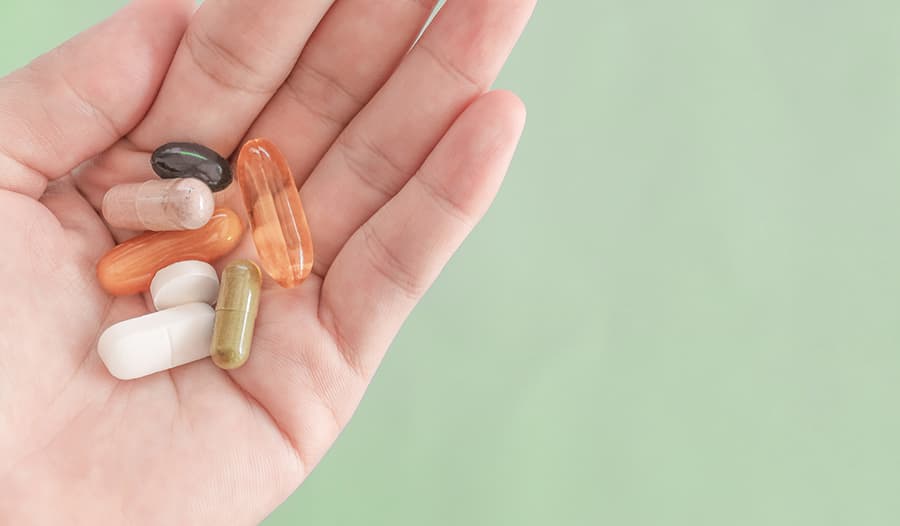
 Table of Contents